
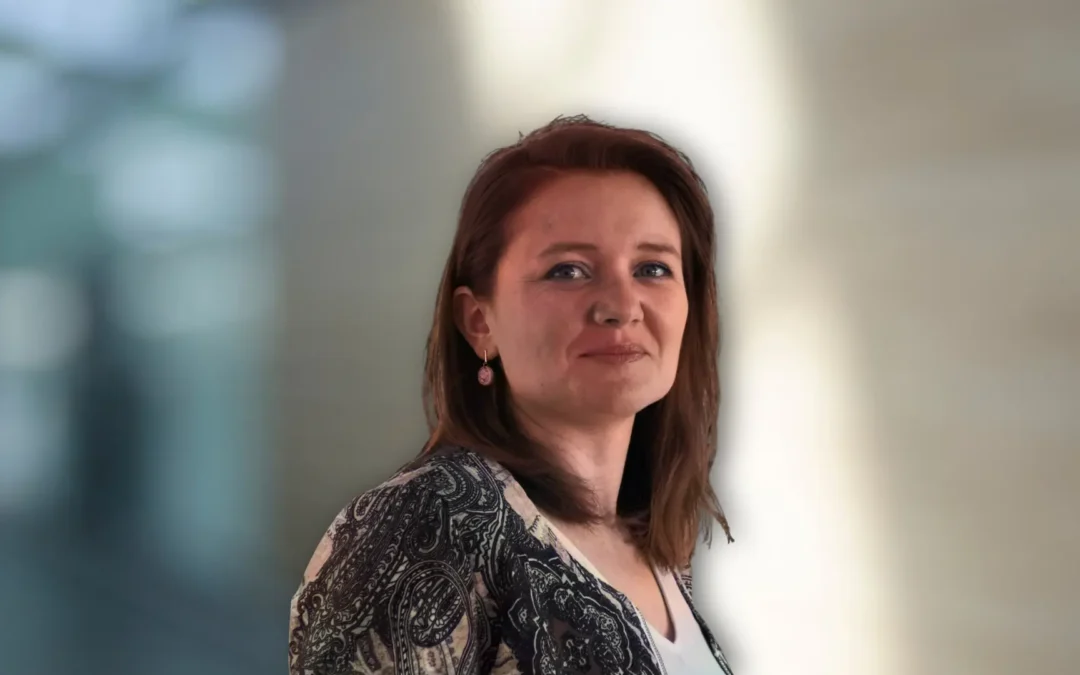
In Data Science, the difference is not made solely on the choice of a model. It is often made on something more straightforward (and more decisive): how to work together. In consulting, teams are dispersed, client contexts varied, and expertise can quickly remain “in people’s heads”. Maëva Merlet, Data Science practice leader at Astek, within the CRO Alsinova, has set herself a simple objective: transforming individual expertise into collective momentum, to progress faster and deliver more robustly.
The invisible challenge of consulting: isolation
It is a common paradox: consultants are often called upon to solve complex problems, but they sometimes do so in environments where daily technical exchange is rare. Client assignments, very different contexts, varied tools… and ultimately, a simple reality: you can quickly find yourself alone when facing a methodological choice, a trade-off, or a doubt about an assumption.
Maëva observed this early on: when everyone moves forward on their own, time is lost reinventing what already exists, and less is gained from collective experience. Conversely, when skills circulate freely, the organisation becomes faster… and more reliable.
“Making expertise circulate”: the practice logic
At Alsinova (Astek Group), the practice structure provides a framework for this ambition: mapping skills, connecting expertise and establishing sharing habits. Maëva, who has long worked in demanding technical environments, sees this organisation as a way to secure quality: fewer silos, more standards, more consistency.
Her role today goes beyond classic managerial oversight: it involves identifying what each person knows how to do, what they want to develop further, and how to connect the right people at the right moment to solve a problem, build skills or challenge an approach.
The concrete mechanisms of a Data Science community
A community cannot be decreed. It is built with simple, regular and useful mechanisms. Maëva focuses on a few very concrete levers:
Expertise mapping
Knowing “who knows what”: methods, tools (R/Python), data types, industrialisation, visualisation, experimentation… The objective is not to “classify”, but to facilitate mutual support and progression.
Technical rituals
Regular meetings where someone presents a topic: project feedback, method focus, package watch, code best practices, etc. This format values consultants and spreads common reflexes.
Mutual support channels
A space to ask for an opinion, share a roadblock, recommend an approach. Often, a targeted discussion between peers saves time and helps avoid mistakes.
Aligning with the client while proposing better
In most assignments, the working framework is first and foremost the client’s: their processes, their requirements, their tools. In parallel, Alsinova teams rely on an internal foundation to secure quality and gain consistency. But above all, the challenge is to be proactive: producing method sheets, cheat sheets, and experience feedback, which help improve what exists without disrupting the organisation in place.
“The idea is that expertise should not remain in one person’s head. When it circulates, everyone benefits: consultants, clients, and overall quality.”
Quality as a culture: why Maëva insists on robustness
This obsession with robustness does not come from nowhere. Maëva has experienced environments where statistics are not only used to “analyse”, but to help make decisions under constraints. In high-stakes industries, one quickly learns that a result must be:
- defensible (explicit assumptions),
- reproducible (clear process),
- understandable (adapted restitution),
- useful (linked to a decision).
Even when changing sectors (aeronautics then health/pharma), she keeps this reflex: an analysis is not only worth its technical level, but by its capacity to be explained, transmitted and reused.
This is also why the community matters: it allows the sharing of standards (code review, documentation, validation), and makes quality less dependent on a single individual.
AI & development: saving time… to better verify
Another topic Maëva is pushing: the use of AI assistants focused on development. Her approach is pragmatic: statisticians are also developers, and part of the work can be repetitive (script structuring, refactoring, documentation).
The objective is not to “replace” expertise, but to reallocate time: less time on mechanics, more time on what makes the difference:
- verification and testing,
- critical review,
- architecture,
- best practices,
- deliverable quality
In other words: accelerate, yes, but above all deliver better.
What this changes for consultants
A well-run Data Science community produces very visible effects on the team side:
- progression is faster because we learn from others,
- one feels less isolated,
- expertise is recognised (it is shared and valued),
- career paths are built: specialisation, skill development, technical speaking.
For Maëva, this is the heart of an employer promise: offering a framework where one can be highly specialised, while belonging to a collective that supports, challenges and fosters growth.
Data Science, a profession of impact… and of collective
Models matter. Tools matter. But what makes a lasting difference is often the organisation of intelligence: the ability to connect people, capitalise on experience, and establish a culture of robustness, which are today key elements within our teams.
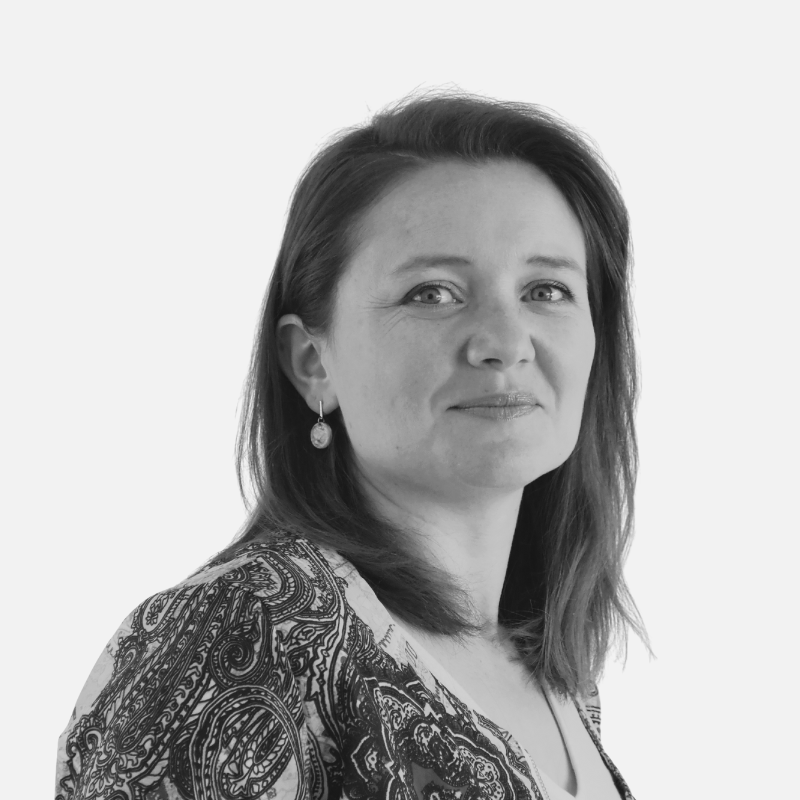
Maëva Merlet
Practice leader Data Science